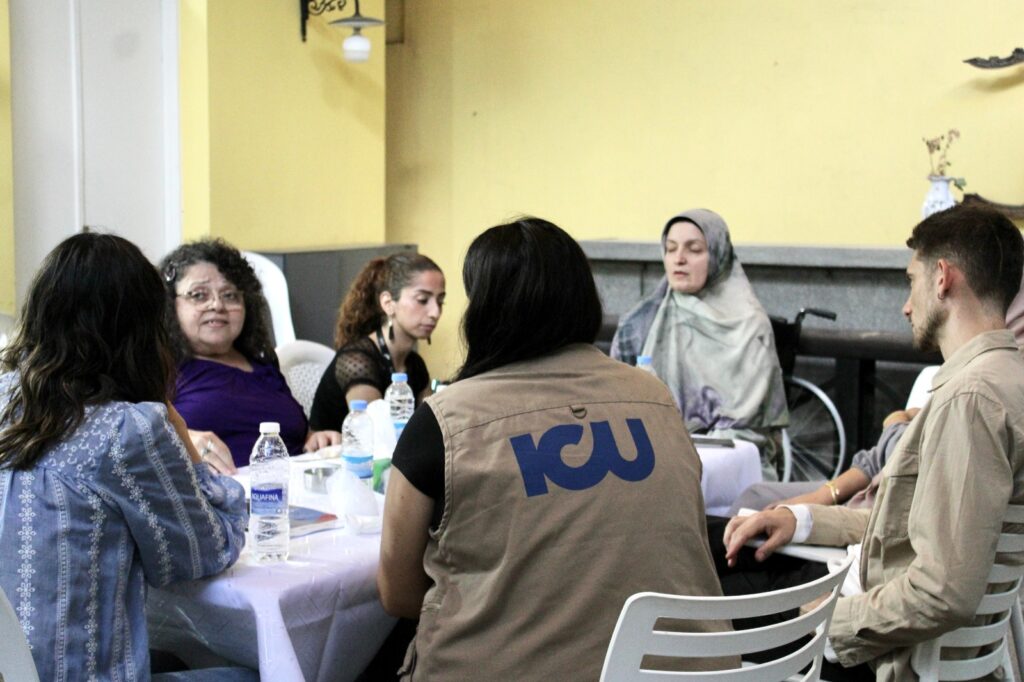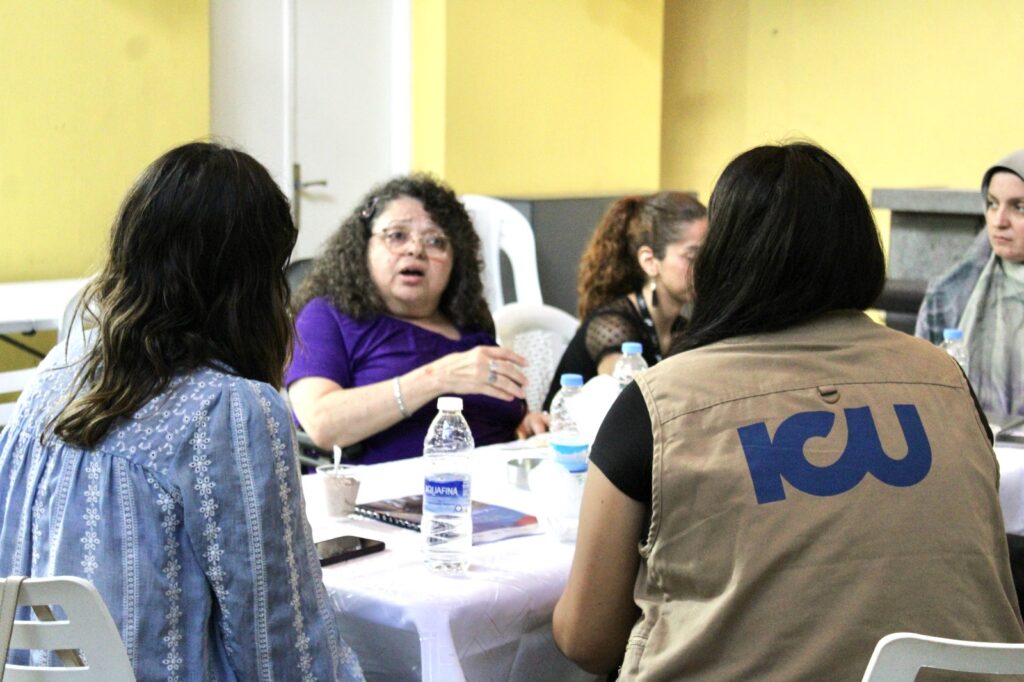
On 6 October, a monitoring visit to the activities of the “TADAMUN: Essential Services and Protection for Displaced People and Vulnerable Communities” project (AID 013508/02/1) was held at the Gemmayzeh Access Kitchen in Beirut. The project is implemented by ICU – Istituto per la Cooperazione Universitaria ETS and funded by Italy through the Italian Agency for Development Cooperation – Beirut Office (AICS Beirut), in partnership with the local association LUPD.
Representatives and experts from AICS Beirut, together with ICU and LUPD staff involved in the implementation of the project, took part in the visit.
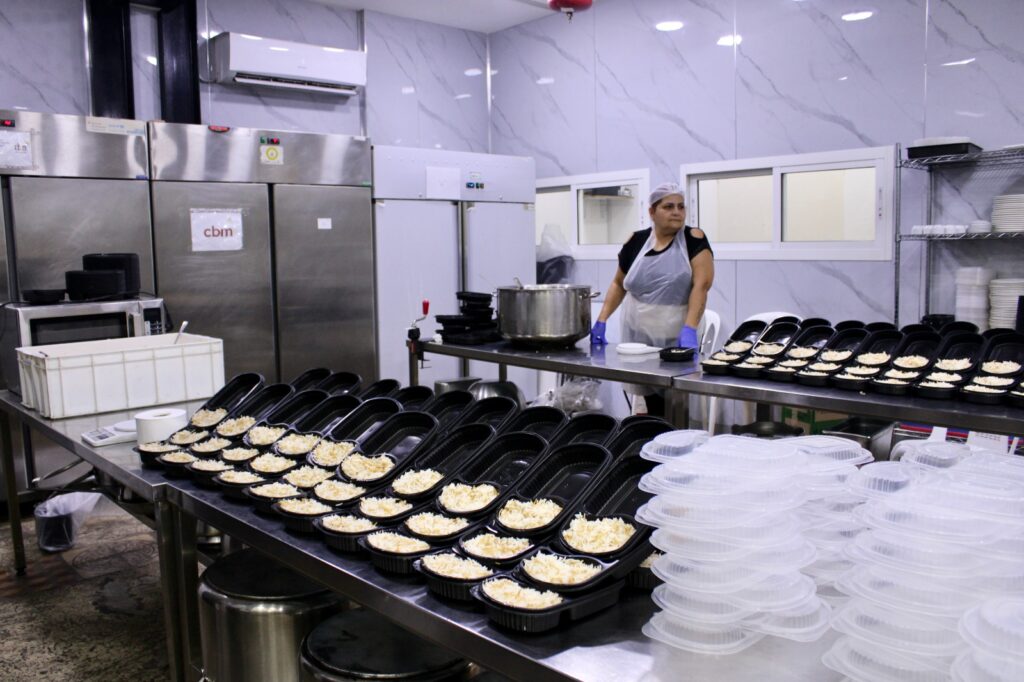
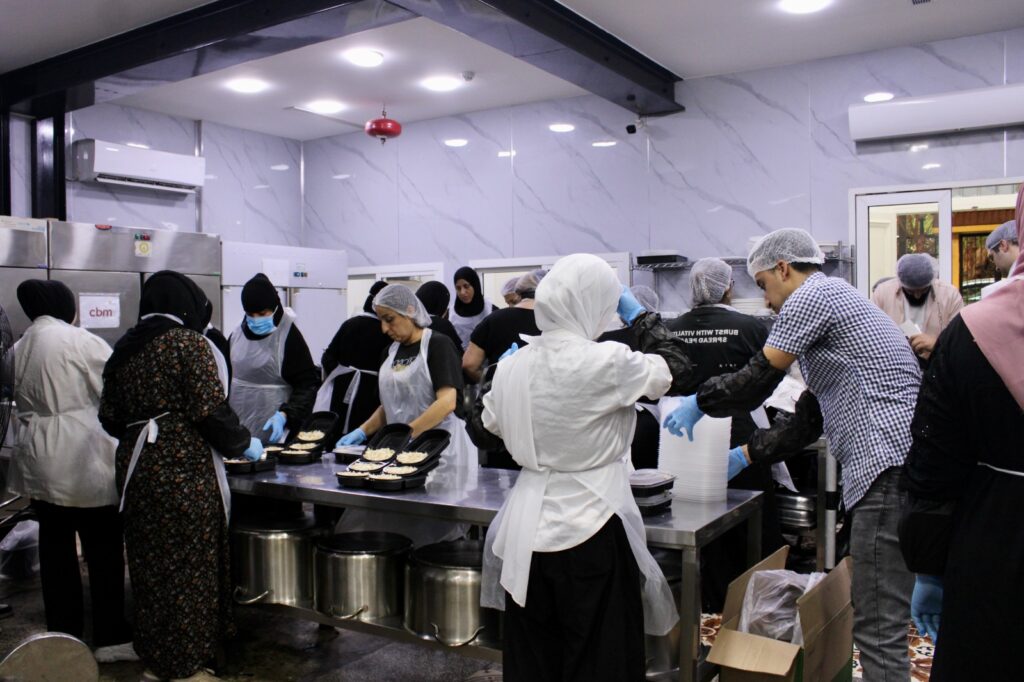
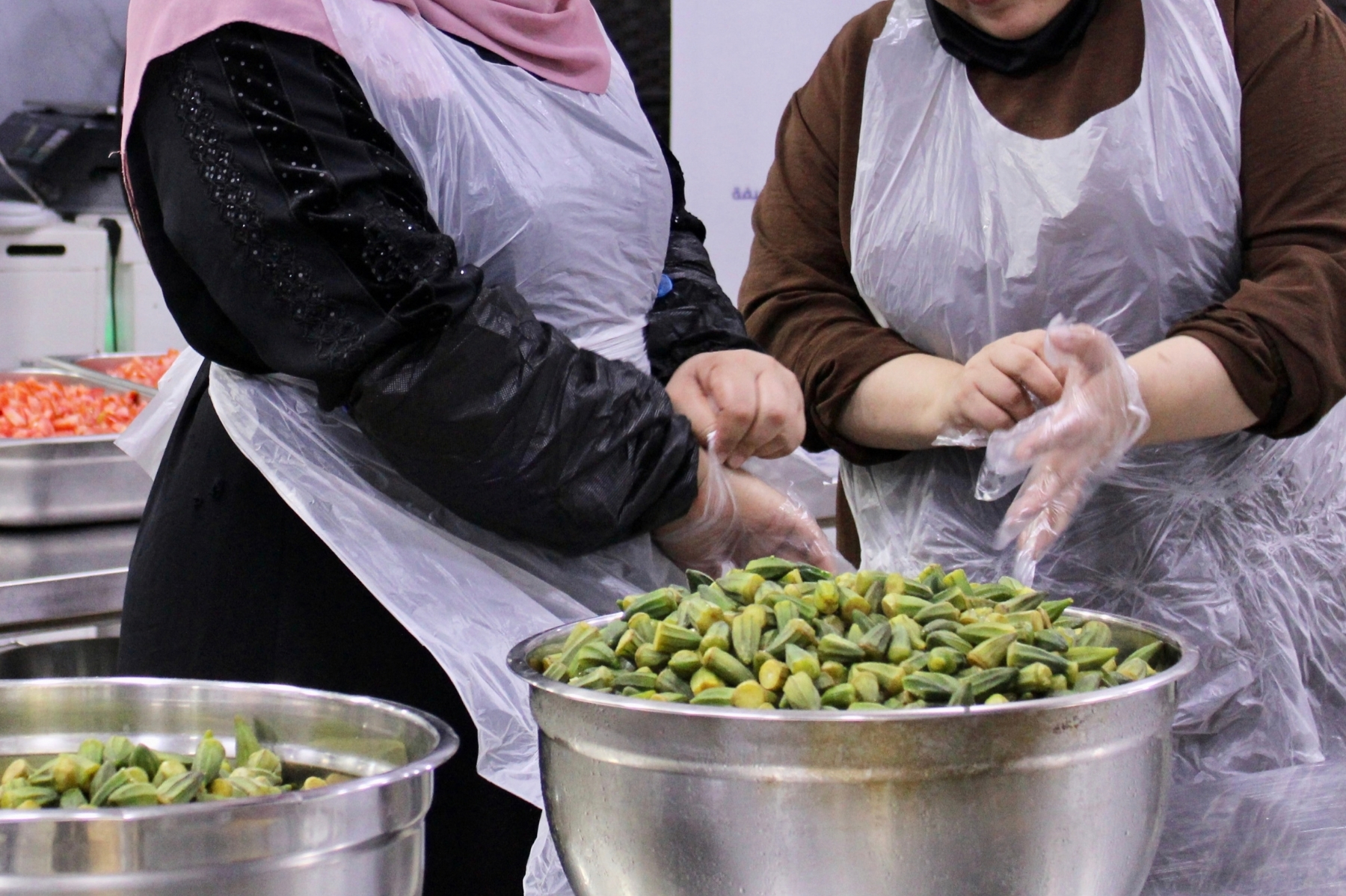
The visit provided an opportunity to observe directly the activities carried out through the Access Kitchens, with a particular focus on the preparation and distribution of hot meals for internally displaced people (IDPs) living outside shelters.
Through the TADAMUN project, 200 hot meals are prepared and distributed every day at each kitchen, for a total of 600 meals per day across the three locations.
During the visit, the emergency response activities and the operations of the social kitchens were presented. It was also possible to observe the different stages of the daily activities, from meal preparation to the packaging of meals for distribution.
The visit also provided an opportunity to explore the Access Kitchen model and its inclusive approach, with particular attention to the physical accessibility of the facilities, the application of Universal Design principles and daily practices supporting the employment inclusion of people with disabilities.
The Access Kitchen is an initiative that combines emergency response with the inclusion and socio-economic empowerment of people with disabilities, through an operational approach based on inclusion.
With 600 hot meals distributed every day across the three kitchens, TADAMUN contributes to addressing a concrete need among displaced people living outside shelters. Through the Access Kitchen model, this response is combined with a concrete focus on accessibility, employment inclusion and the socio-economic empowerment of people with disabilities.
The visit provided an opportunity to see this daily work first-hand: an emergency response that, alongside assistance, creates spaces for participation and opportunities.