Seven TVET curricula officially approved to integrate green hydrogen skills across Kenya
The VET4HYDROGEN project, led by ICU – Istituto per la Cooperazione Universitaria in partnership with TVET CDACC, Strathmore University, and Eastlands College of Technology, is supporting the development of the skills and knowledge needed for Kenya’s emerging green hydrogen sector.
Co-funded by the European Union and the German Federal Ministry for Economic Cooperation and Development (BMZ), the project is working to strengthen the capacity of Kenya’s Technical and Vocational Education and Training (TVET) system to respond to the evolving needs of the green hydrogen value chain.
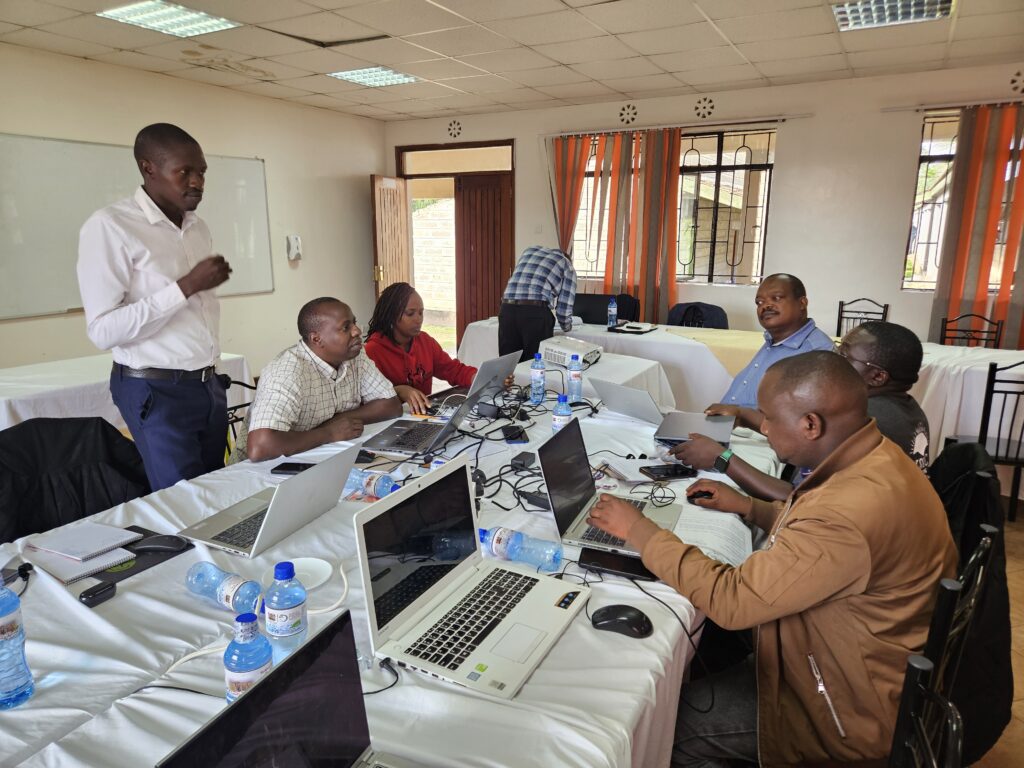
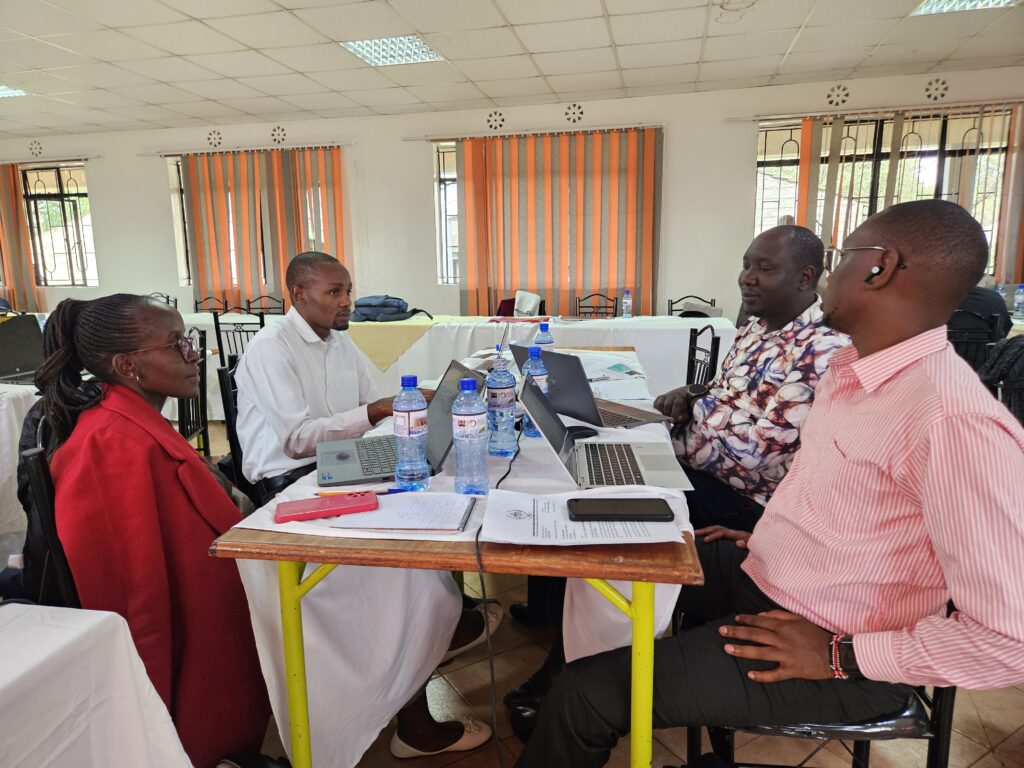
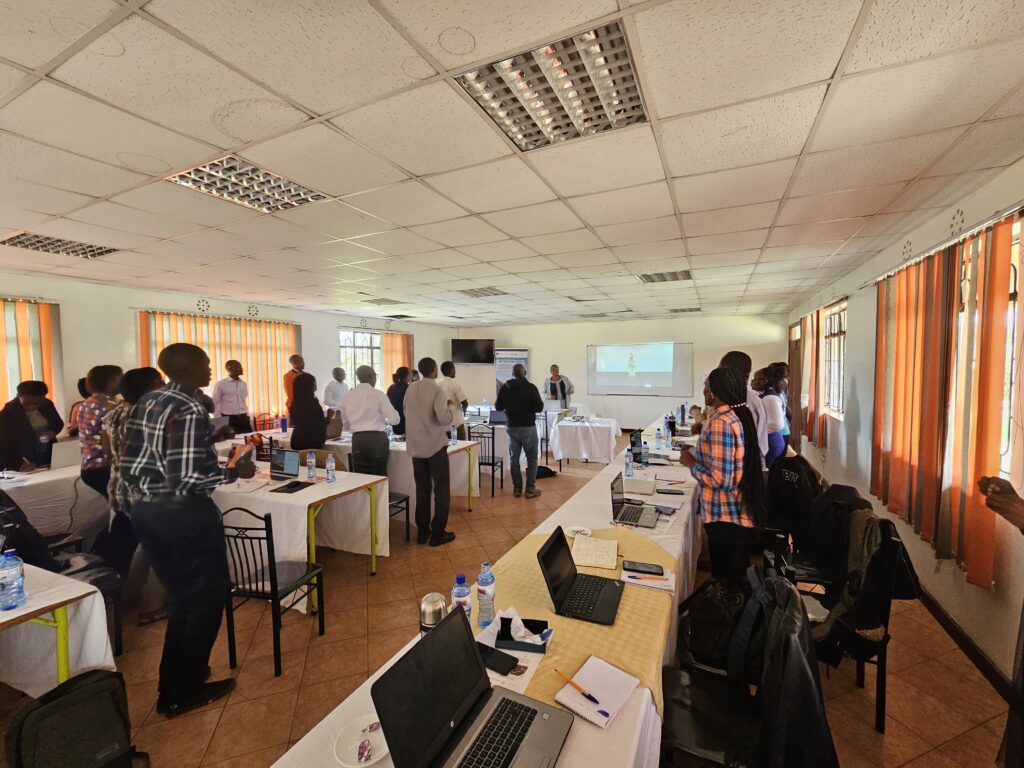
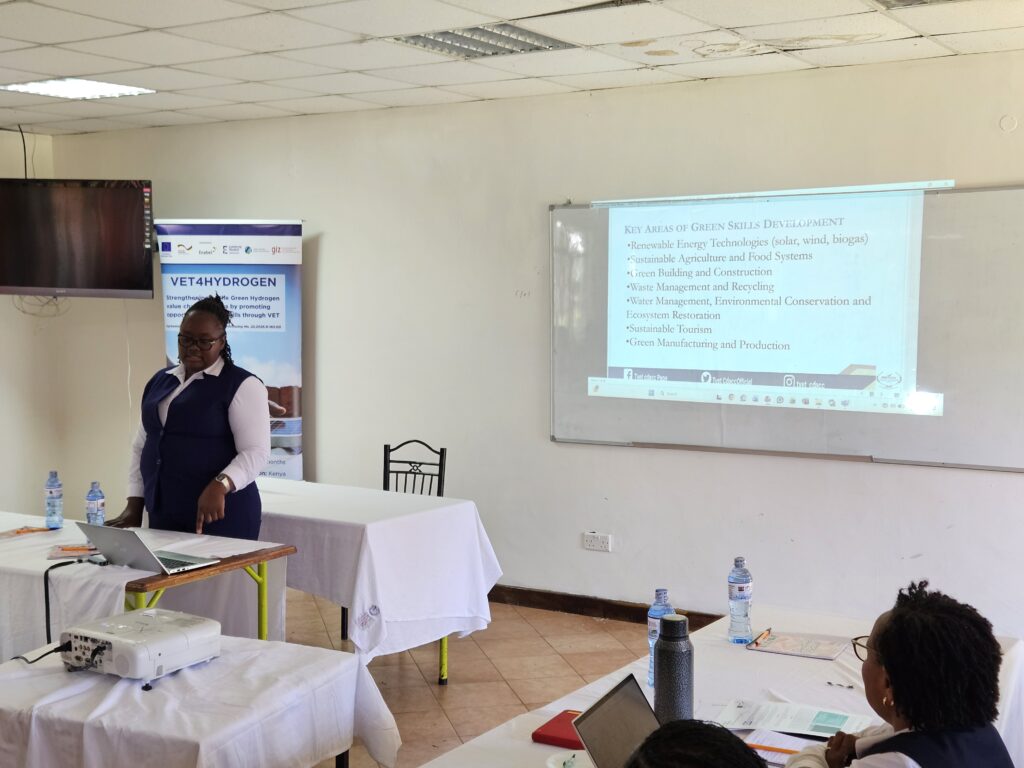
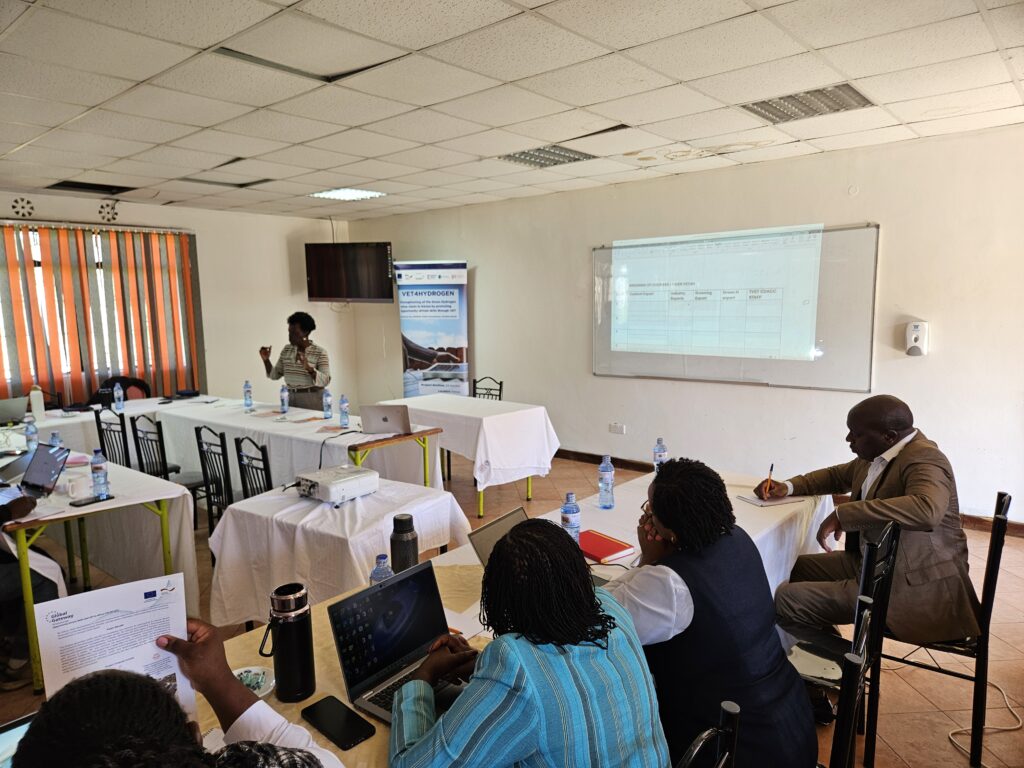
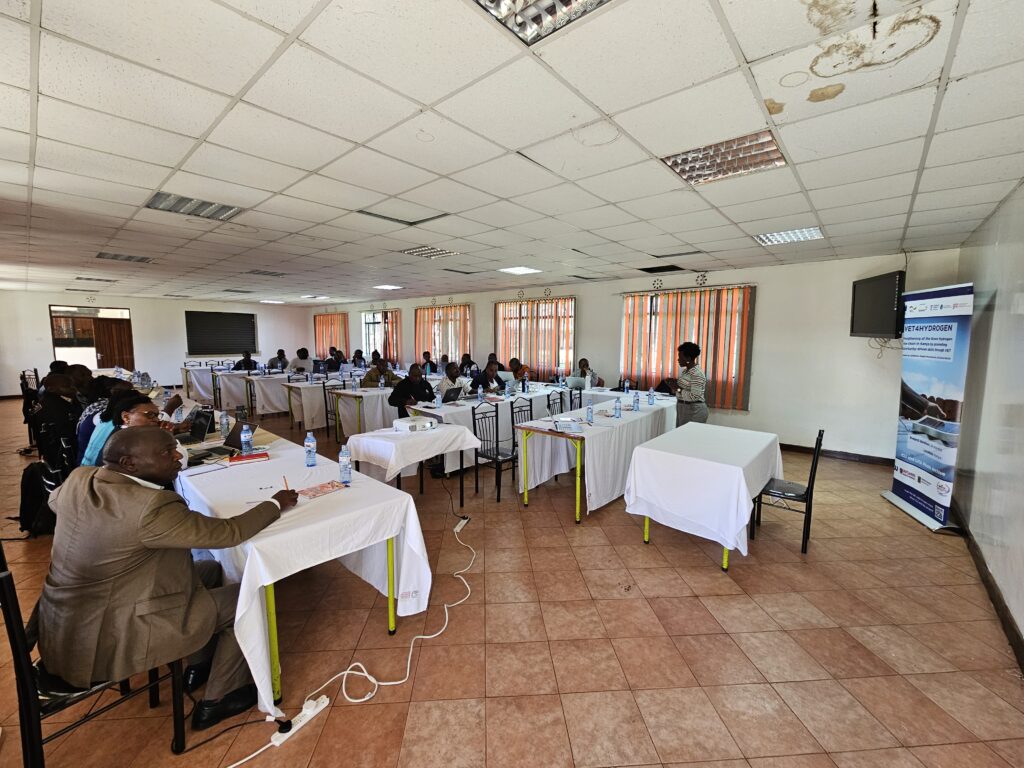
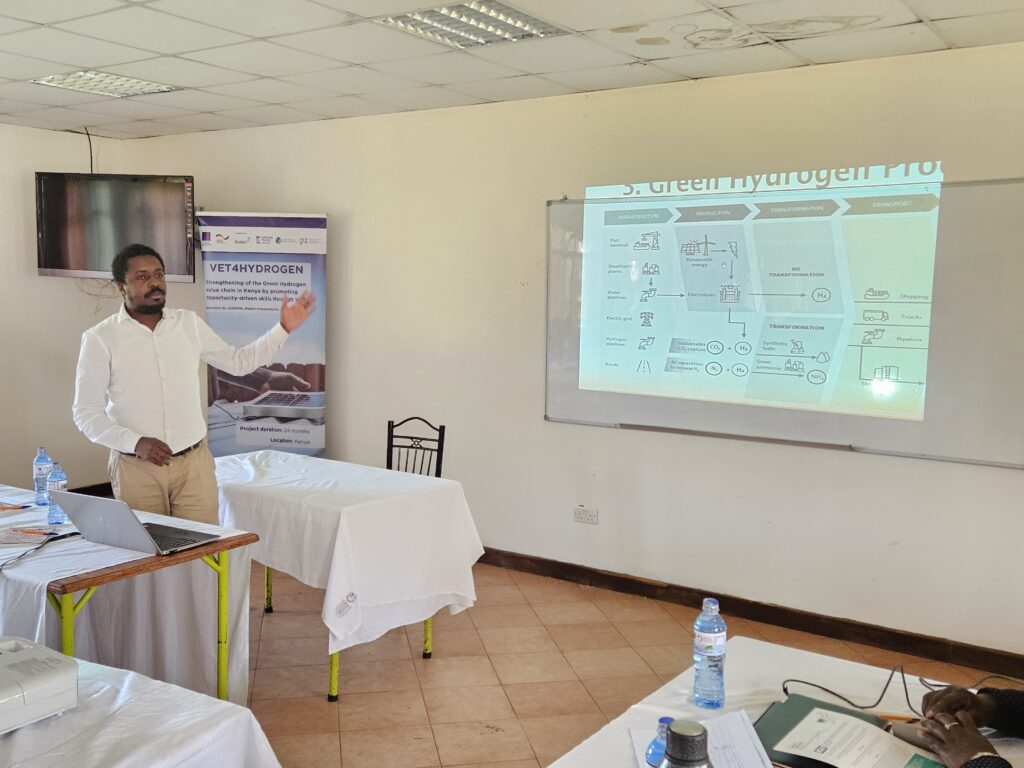
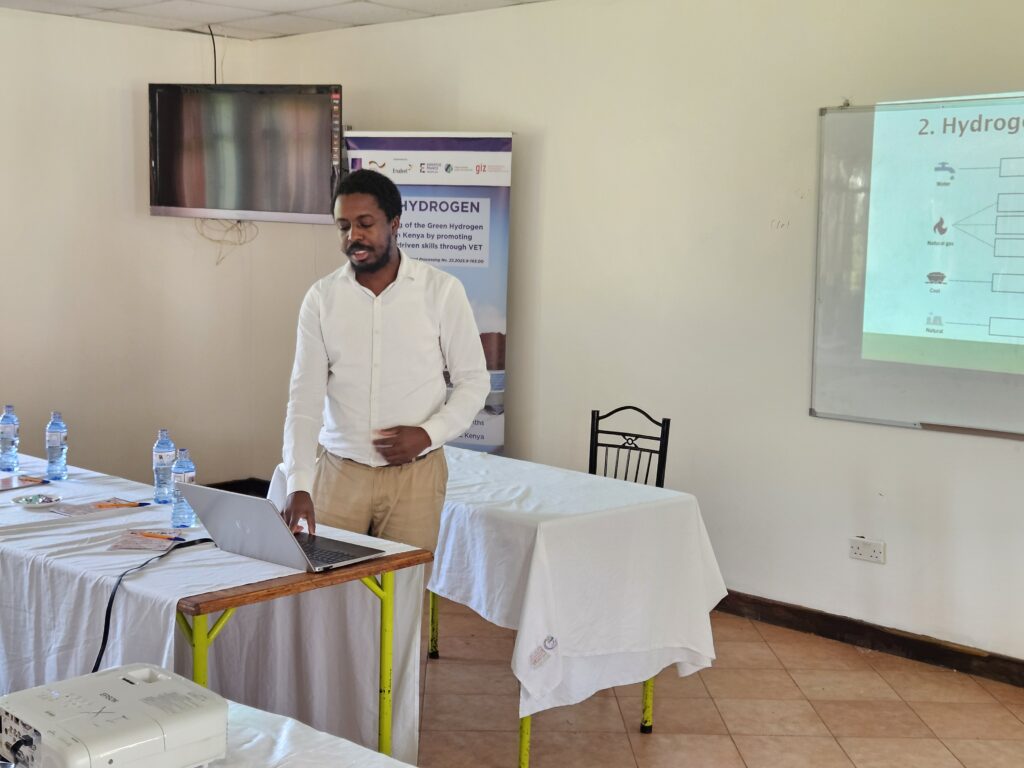
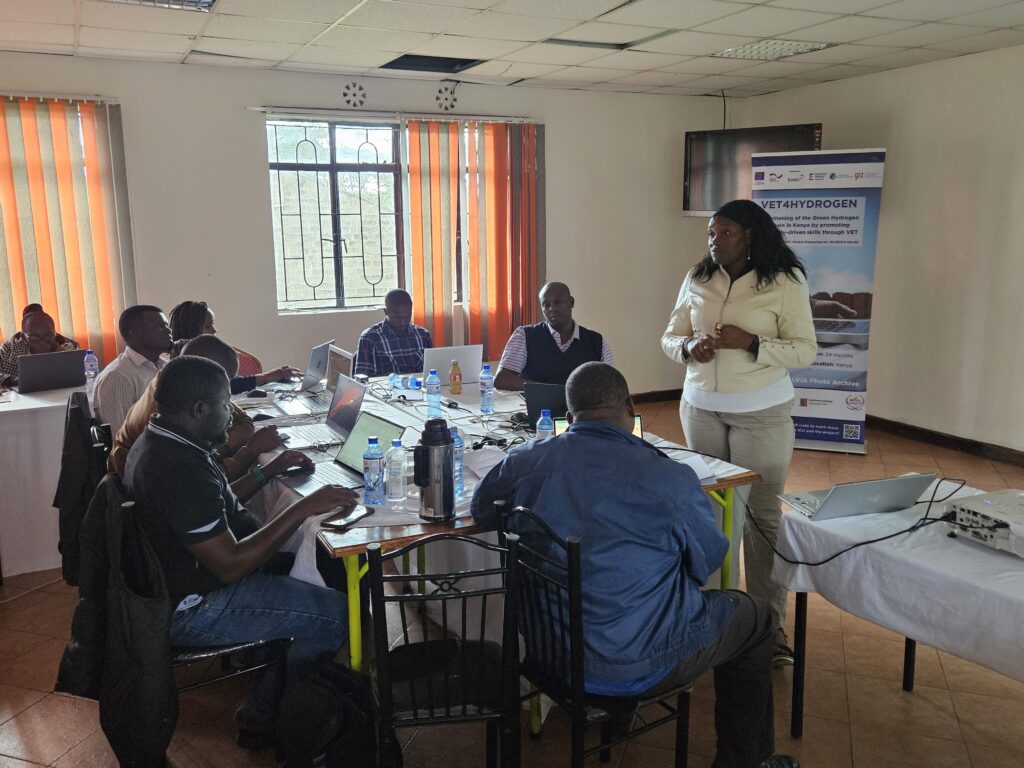
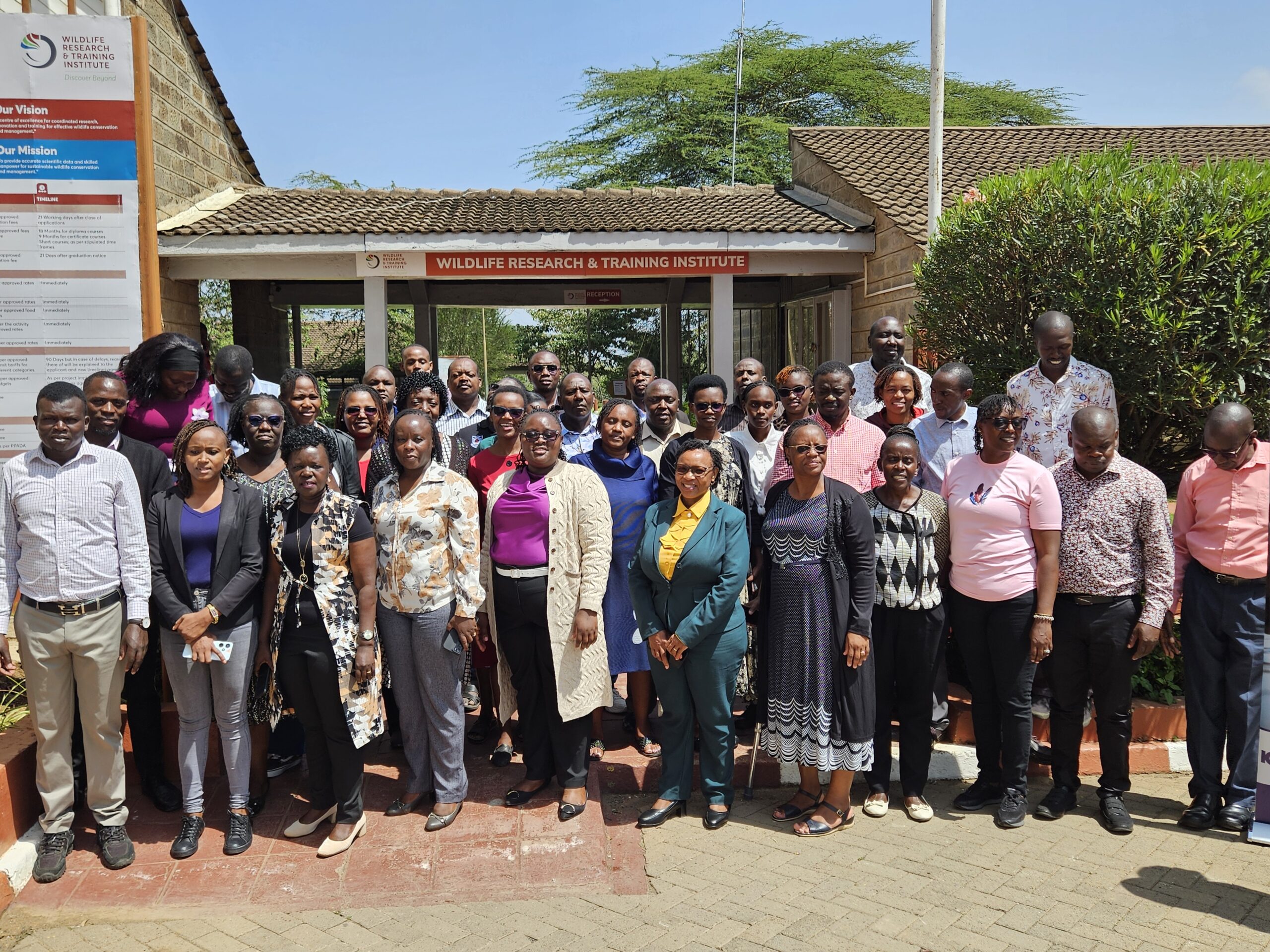
As part of this effort, a high-level curriculum review workshop was held in Naivasha, bringing together 51 experts from regulatory institutions, TVET training institutions, industry and the green hydrogen sector.
The workshop focused on reviewing and “greening” seven curricula identified as critical to Kenya’s future green hydrogen value chain. Experts worked to integrate hydrogen-specific knowledge and green skills into the following fields:
- Agriculture Extension
- Horticulture
- Analytical Chemistry
- Chemical Engineering
- Energy Project Management
- Instrumentation and Control
- Mechanical Engineering Plant
The integration of green hydrogen competencies into these curricula will help align TVET training more closely with industry needs, while providing learners with relevant skills for a rapidly evolving green economy.
A major milestone for Kenya’s TVET system
The curriculum review has now reached an important milestone: all seven revised curricula have been officially approved and uploaded in recent weeks to the official TVET CDACC portal, as part of their nationwide rollout across Kenyan TVET institutions from September 2026.
The nationwide rollout represents a significant step towards strengthening the relevance and quality of Kenya’s TVET system. By introducing green hydrogen-related knowledge into existing training programmes, VET4HYDROGEN is helping to equip young people with market-relevant green skills and increase awareness of emerging opportunities in the sector.
The initiative also contributes to Kenya’s broader transition towards a low-carbon economy, supporting the development of a workforce capable of responding to new opportunities linked to renewable energy and green hydrogen.
The official approval and upcoming rollout of the seven curricula demonstrate the importance of collaboration between TVET institutions, regulatory bodies, universities, industry practitioners and green hydrogen experts in preparing the workforce for the jobs of the future.
Through VET4HYDROGEN, ICU and its partners are therefore contributing to building the foundations for a skilled workforce and a stronger TVET system capable of supporting Kenya’s green hydrogen ambitions.