
Building Skills for Sustainable Cooling: Rwanda Pilot Demonstrates Safe Refrigerant Management.
At ACES in Kigali, a pilot combined technical learning and practical demonstrations to strengthen refrigerant-management skills and inform a scalable national approach.
Rwanda’s transition to sustainable cooling depends not only on policies and technology, but also on the people who install, service and manage refrigeration and air-conditioning equipment.
In May and June 2026, ICU and the Rwanda Environment Management Authority (REMA) implemented a pilot demonstration on sustainable refrigerant management and technical capacity building at the Africa Centre of Excellence for Sustainable Cooling and Cold Chain (ACES) in Kigali. The activity forms part of Project RW-23-002, Strengthen Capacity for Sustainable Cooling and Refrigeration Sector in Rwanda, funded by the Climate and Clean Air Coalition (CCAC) through the United Nations Environment Programme (UNEP).
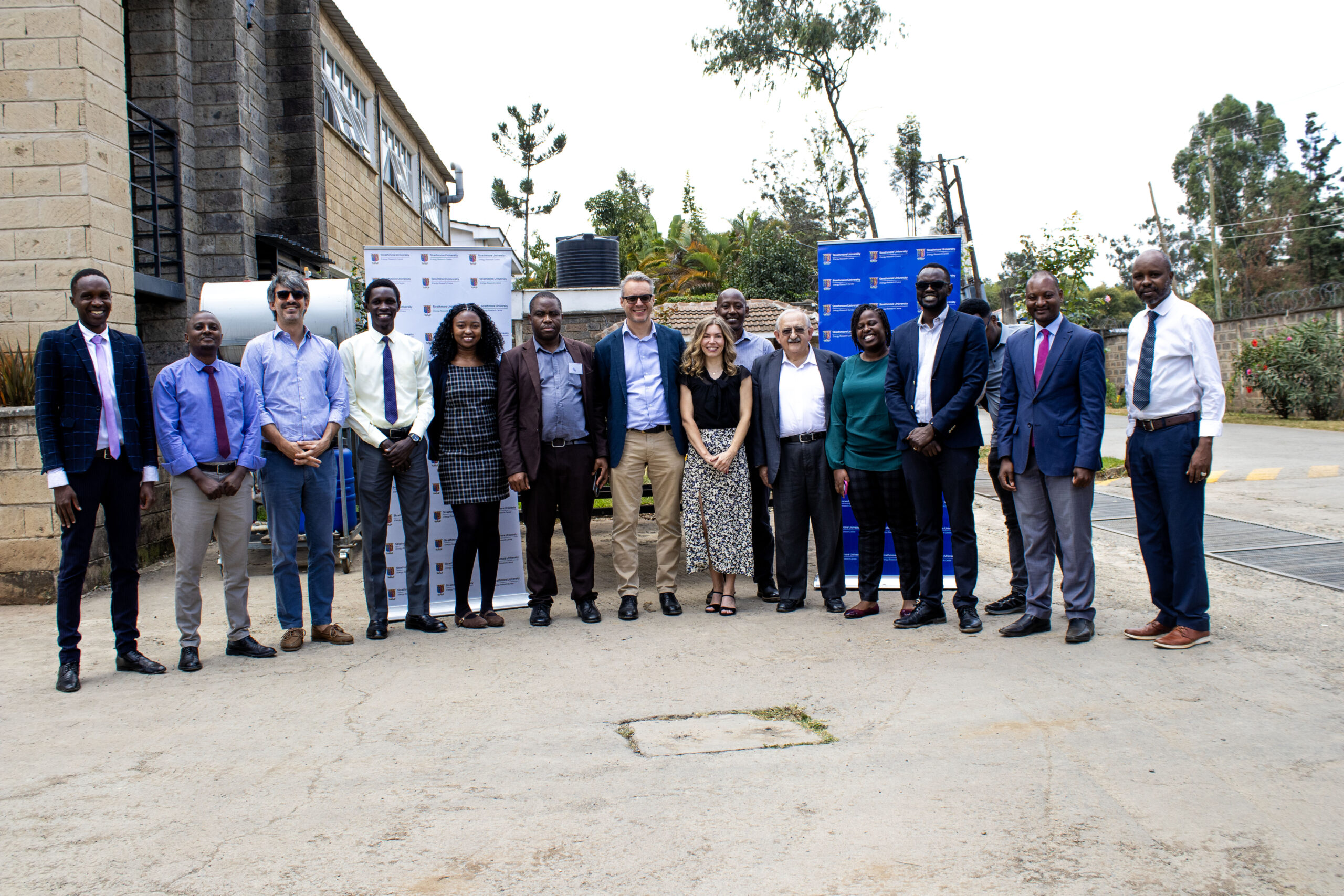
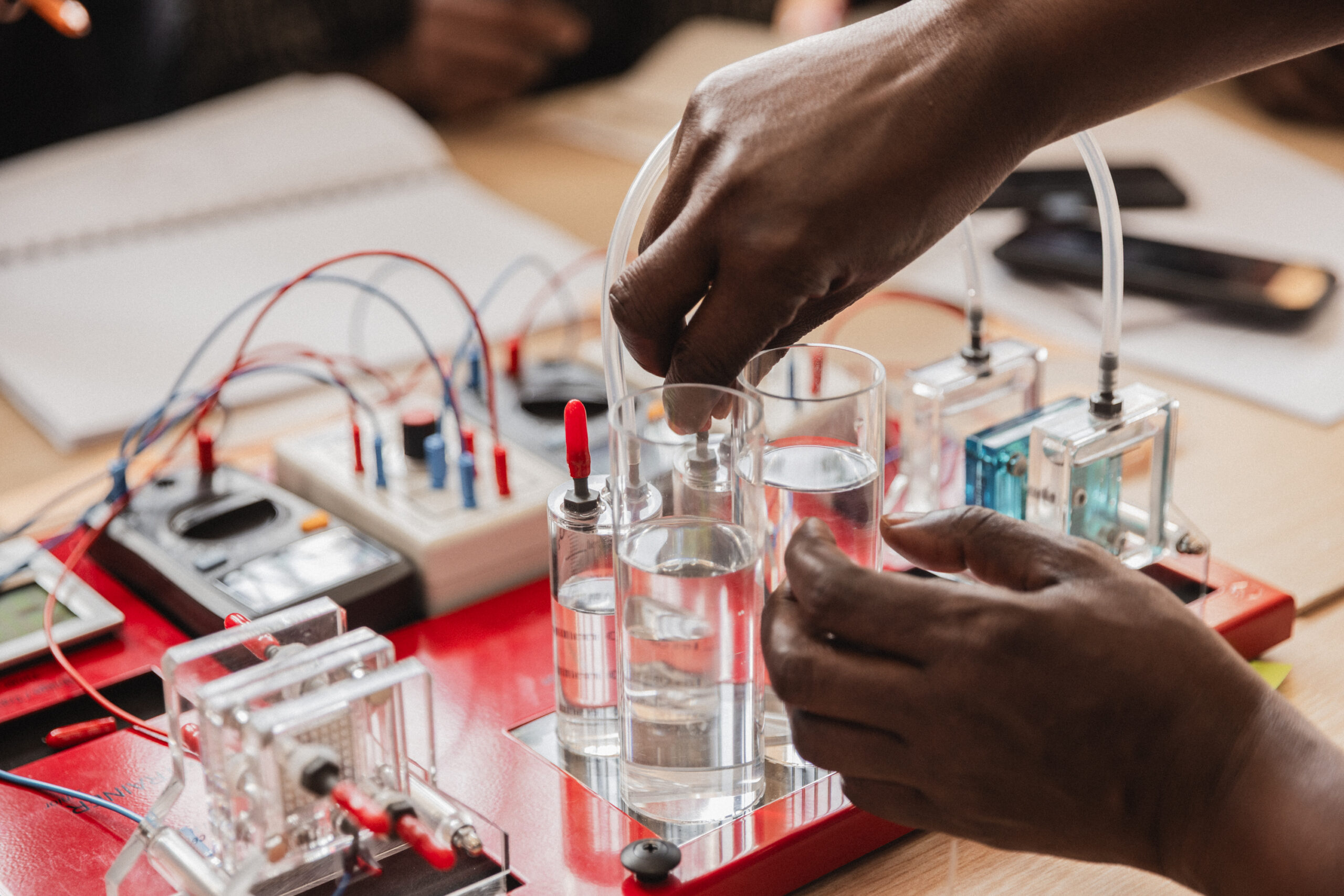
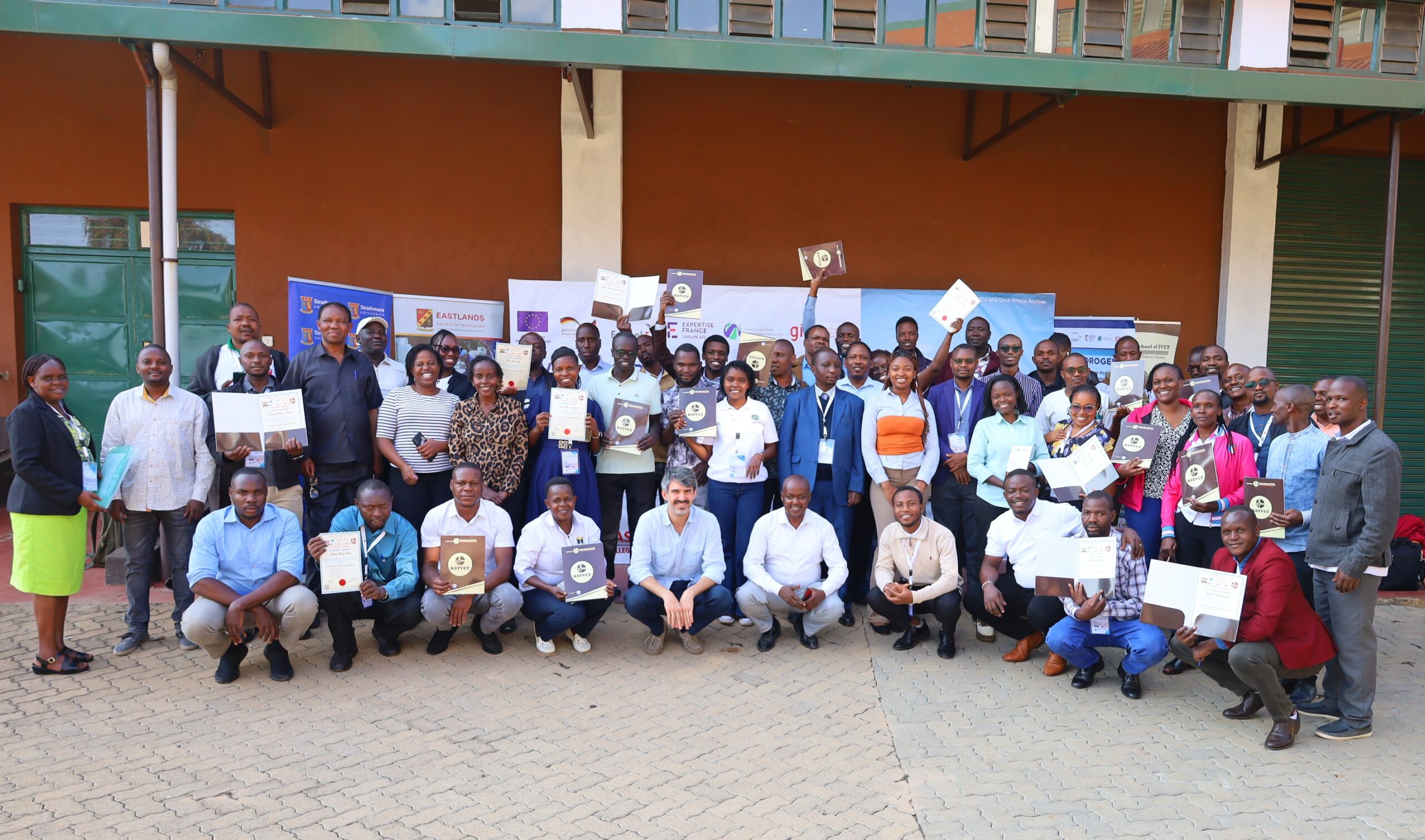
The pilot brought together 19 refrigeration technicians and a REMA representative, building on a three-day technical workshop delivered with Centro Studi Galileo (CSG). Participants combined classroom learning with practical, supervised exercises using industry-standard equipment.
The pilot showed the value of competency-based training in strengthening good servicing practices. It also created a permanent training facility and generated operational evidence for future capacity-building efforts in Rwanda. Participants expressed particular interest in further modules on alternative refrigerants, advanced leak detection and commissioning of systems using new refrigerant types.
The report recommends progressively establishing a national refrigerant recovery and regeneration network. This would include local collection points, regional storage facilities, a digital tracking system and a national regeneration hub. A national certification scheme for refrigeration and air-conditioning technicians and enterprises would be a key enabler, ensuring harmonised competency, safety and environmental standards.
By linking practical skills, institutional collaboration and long-term systems for recovery and traceability, the pilot offers a tangible model for Rwanda’s Sustainable Cooling Strategy and implementation of the Kigali Amendment.